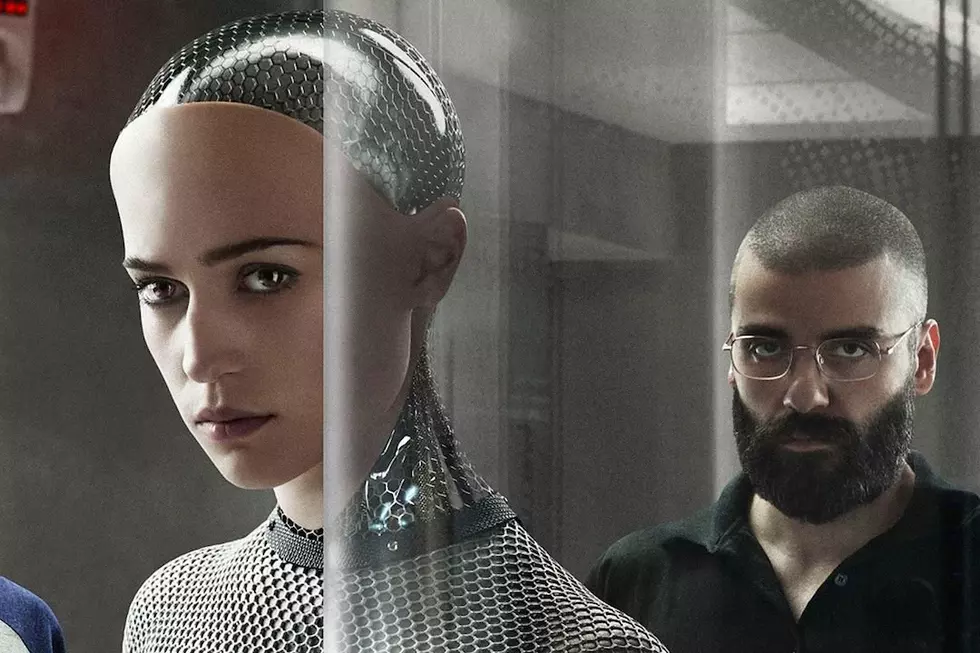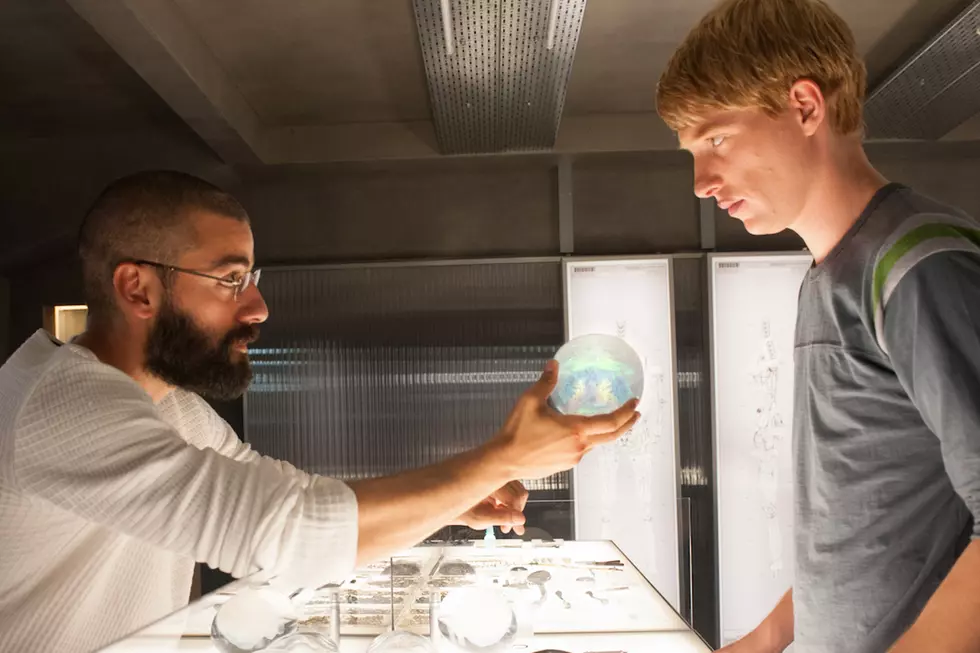
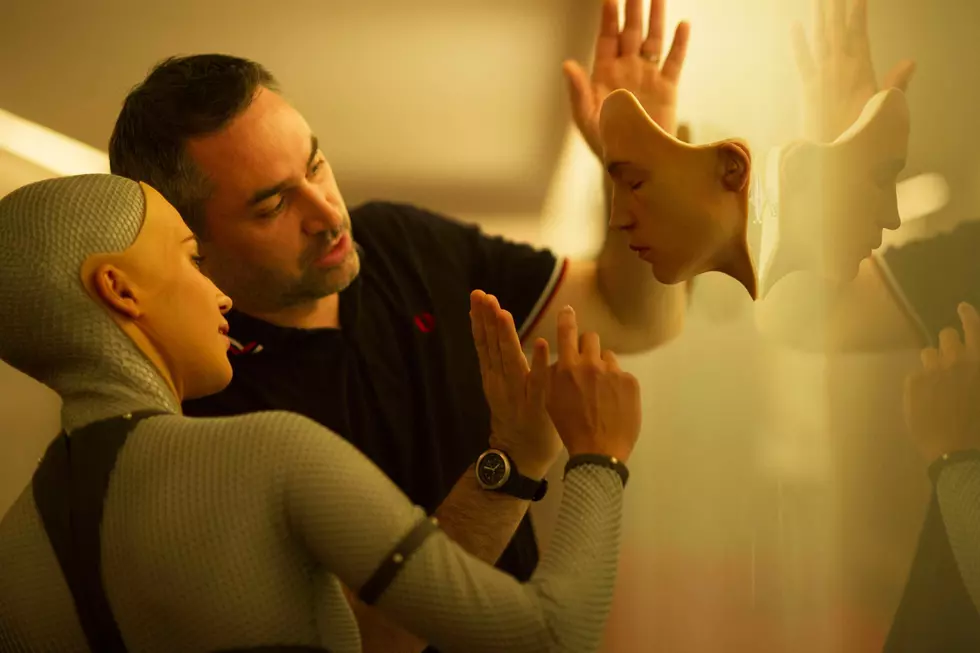
Last year brought word that Ex Machina director Alex Garland would take his sci-fi talents to TV for a new FX series, though the director has since turned his gaze to Annihilation. Now, Garland provides a few hints of what to expect for the eight-part series, which itself may begin production later this year.
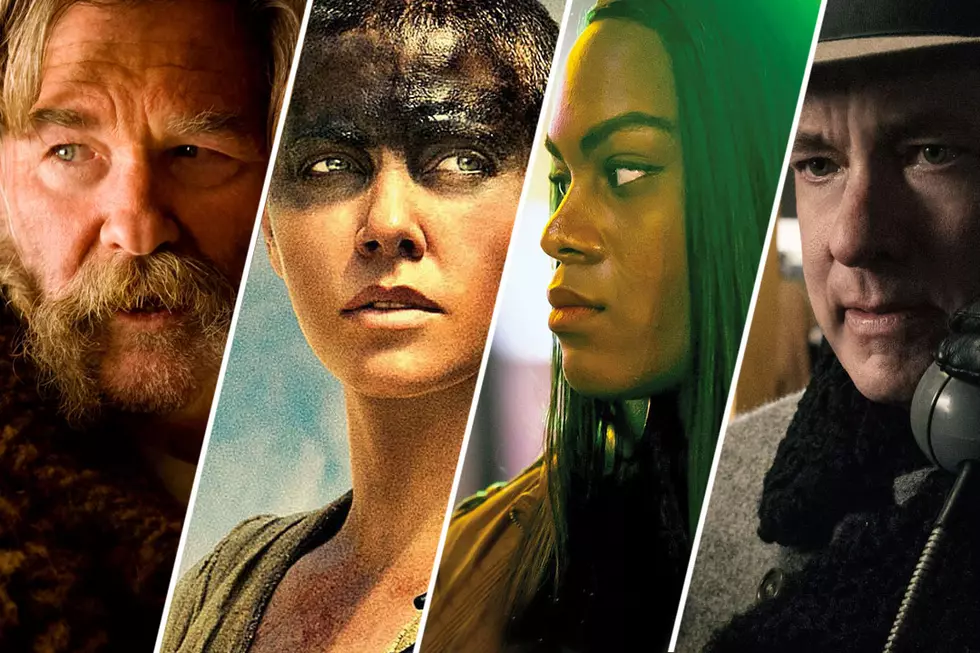
For the first time in many years, people don’t know what to make of this year’s Oscar contenders. Usually there are one or two top frontrunners gunning for Best Picture while everyone else just struggles for recognition. This year, there are multiple legitimate candidates with the frontrunner changing seemingly every week...
There are just too many good movies. That’s my takeaway from this year’s annual exercise in critical masochism selecting the ten best films. My shortlist of 2015’s best movies is anything but short; running well over 30 outstanding entries. It feels like something I say every year, but it’s true; there are more great movies left off my list (like Clouds of Sils Maria and Experimenter and Brooklyn and Heaven Knows What and While We’re Young and about 20 others) than are actually on it. I actively agonized over the last couple slots for hours. (Yes, actual hours. I’m sorry, It Follows.)
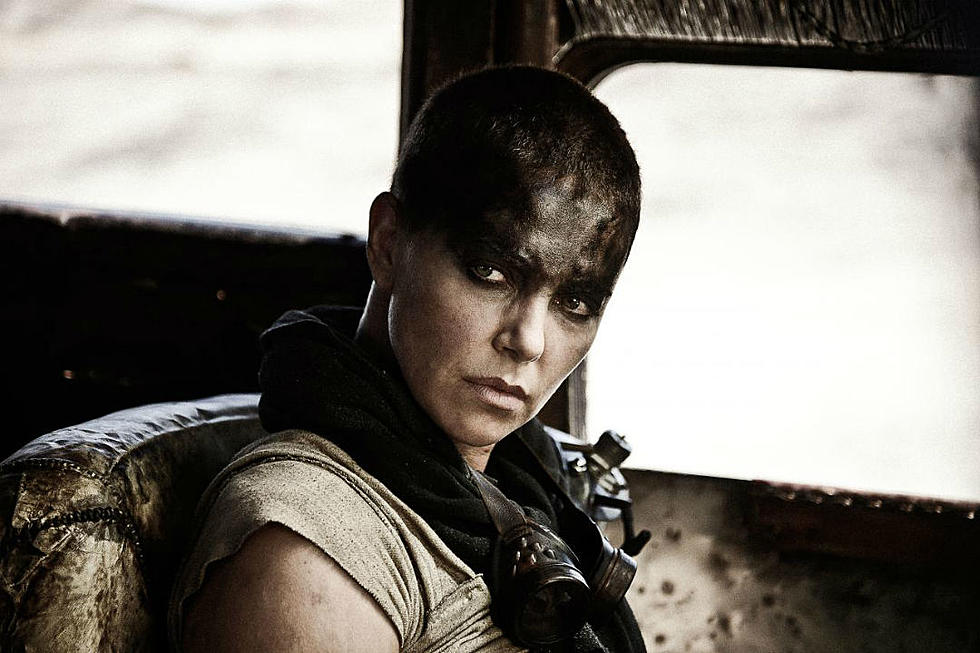
Year-end awards are supposed to honor the best in cinema. But it might be more accurate to say they honor a narrow sliver of the best in cinema; only films released from October thru December; only the stuff promoted by the big studios; only movies deemed “important” or “serious” or “biopics about dead famous people.” The impulse to make lists and give out prizes is a good one, but more often than not that impulse results in one big echo chamber, with pundits predicting — and critics and guilds rewarding — the same half-dozen contenders.
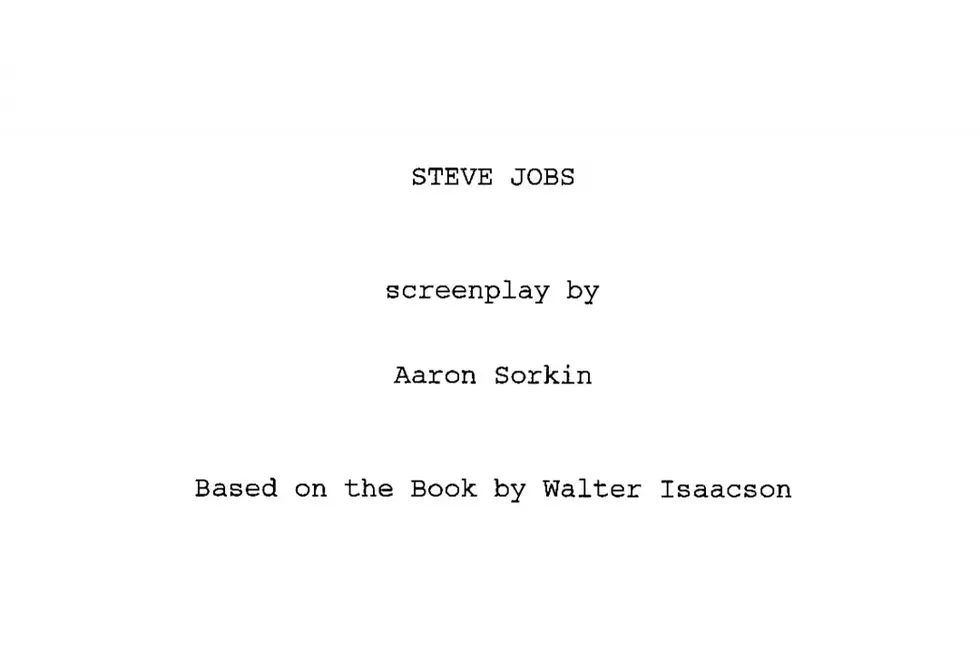
Today, you can catch up on reading with scripts for Steve Jobs, Ex Machina, Straight Outta Compton and more (and we’ll make sure to update as more scripts trickle out in the months to come).
The good movies are supposed to come out in the second half of the year. January through June, that’s the dumping ground; the crap that was so toxic it had to get buried in the winter, followed by the empty-headed excitement of summer blockbuster season.
The best science fiction stories are smugglers. Underneath the high concept that drives the action lurks an ulterior motive, a message that is being quietly transported into your mind. Genre filmmakers have long used the impossible to comment on the mundane, jumping into the distant future to comment on the here and now. Politics and science fiction go hand-in-hand – H.G. Wells’ War of the Worlds slyly revealed the harsh terrors of colonialism and Robert Wise’s The Day the Earth Stood Still pointed an angry finger at mankind’s war-like nature. Both of those stories were indebted to the times in which they were made, drawing on the ugliness of the world around them to bring weight to the fantastical. It’s easy to settle in for what you think is a movie about aliens, only to find yourself watching something else entirely. Truly great sci-fi gives you what you need, not what you want, even when it tastes bitter in your mouth.
When the Avengers reassemble for their big sequel this weekend, they do it to stop Ultron, an eight-foot-tall robot who wants to destroy the world. He’s the accidental creation of Tony Stark and Bruce Banner, who are trying to create an artificial intelligence capable of protecting the planet from threats too big for even the Avengers to handle. Their experiment is a horrific success; Ultron becomes self-aware, gives himself a body made out of spare Iron Man parts, and begins plotting the Earth’s destruction. “You want to protect the world, but you don't want it to change,” he tells the Avengers. “There’s only one path to peace. Your extinction ... when the dust settles, the only thing living in the world will be me!”