
Beyond ‘Backrooms’: The Most Unsettling Liminal Spaces in Movies
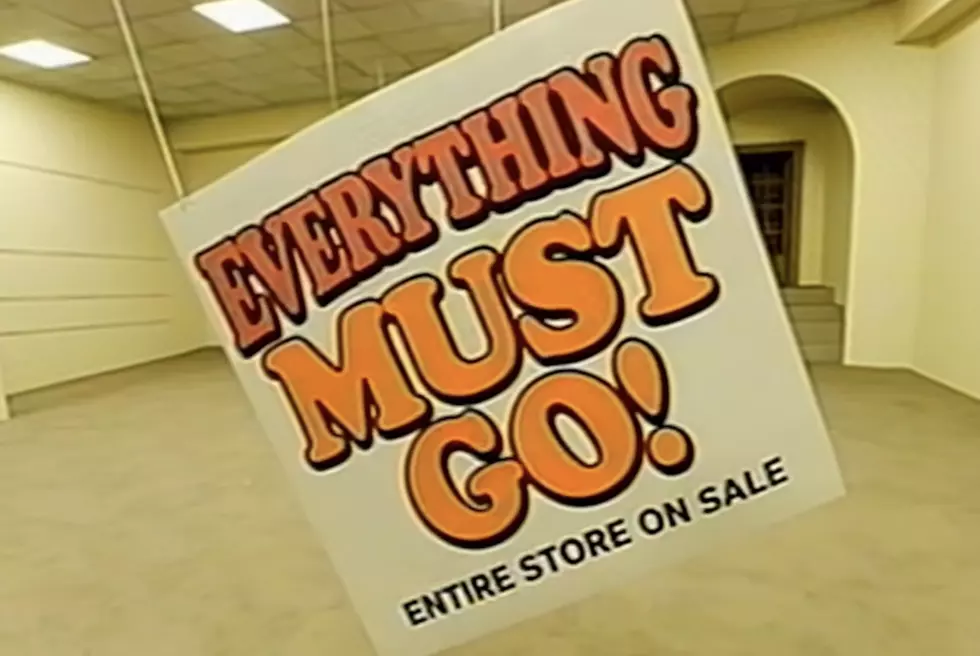
Long before the aesthetic went viral via a 4chan creepypasta, and Kane Parsons introduced the world to his terrifying Backrooms on YouTube, liminal spaces appeared in movies of all genres, inviting viewers into the worlds suspended between worlds, whether metaphorically or literally.
One of the most famous, decades-old liminal spaces in cinema is the Overlook Hotel from Stanley Kubrick’s 1980 horror masterpiece The Shining. The sinister, sweeping resort, with its endless hallways and empty rooms, represents Jack Torrance’s slow mental decay.
It also serves as a transitional space between the supernatural and natural realms, where the veil is thin and entities, or perhaps memories, bleed into the real world to torment the Torrance family.
Liminal Spaces Explained
Liminal spaces are places or states of transition, the in-between membrane connecting past and present, here and there. They are transient areas in which people move through to get from one place to another — think hotel hallways, office stairwells, and empty parking lots — and where lingering too long feels unnatural and unsettling.
READ MORE: Backrooms Explained: The Complex, Async, and the Ending
They are also uncanny. Liminal spaces always feel slightly (if not overtly) off — a sprawling, empty mall, abandoned school, or eerily still playground devoid of the bustling activity that usually brings them to life.
They are human spaces devoid of any hint of human warmth. In the worst case scenario, they are inhabited by something inhuman altogether.
Liminal Spaces Seen in Movies
One of the most iconic liminal spaces aesthetically speaking — aside from the sickly, yellow fluorescent-lit Backrooms, with their corporate decay and repetitive, endless corridors — is the vision of static suburban sprawl. This image, of vast suburban developments featuring empty cul-de-sacs, sterile streets, impossibly green lawns, and cut-and-paste houses, feels both familiar and unfamiliar, and often invokes a deep sense of nostalgic dread.
This particular liminal visual language has appeared in many films over the years, from Edward Scissorhands to Vivarium, typically representing the monotony of suburban life, as well as the relatable sense of feeling trapped or out of place somewhere that should otherwise feel familiar.
Whether they are colorful, uncanny dreamscapes that conjure a sense of childhood nostalgia or sprawling, oppressive environments that make us feel lost and alone, movies featuring or about liminal spaces have a strange way of sticking with us long after the credits roll.

The Most Unsettling Liminal Spaces in Movies
Gallery Credit: Erica Russell
More From ScreenCrush