

‘By Any Means’ Review: A Racist Mob Versus An Actual Mobster
After watching By Any Means I would like to propose a test that may be used in the future to judge the merits of any and all movies that claim to be “Based on a True Story.” To apply the test, simply ask this question:
Is the movie more compelling than the Wikipedia page of its real-life subject?
If the answer is no, your film has failed the Biopic Test.
On my way home from By Any Means, I glanced at the Wikipedia page for Gregory Scarpa, the mob enforcer played in the film by Mark Wahlberg. His Wiki does include some information about the events depicted onscreen — namely Scarpa’s purported involvement in two clandestine FBI investigations in 1960s Mississippi, both involving murders commited by the Ku Klux Klan. Faced with an uncooperative populace and racist local police, the FBI supposedly turned to Scarpa to conduct off-the-books investigations that would have failed if they strictly followed the letter of the law.

READ MORE: 20 Movies With Rotten Tomatoes Scores That Make No Sense
But Scarpa’s Wikipedia page goes on to include plenty of stuff that’s not covered in By Any Means. That stuff includes salacious details about his mob activities, his work as an FBI informant, the time he contracted HIV from a blood donation during a surgery, and the fact that his son later joined the mob as well. But there’s more! Scarpa also survived an assassination attempt, and after he was finally indicted for his crimes, he allegedly violated a house arrest order in an attempt to bump off two rival gangsters.
By Any Means isn’t about any of that, of course, and it’s under no obligation to include this information. But the one-dimensional version of Scarpa in the movie is nothing like the fascinating, complex character suggested by that incredible life story. The film never bothers to explain how Scarpa first got mixed up in FBI investigations, and the viewer learns almost nothing about what he thinks about the Klan or these murders or his role as an avenging vigilante. As played by Wahlberg, he’s just a wisecracking Bensonhearst meathead on a single-minded rampage through the South.

Part of the problem is that while Scarpa is a historical figure, the other key character in this story is apparently fictional. That’s Agent Wayne Strider (Yahya Abdul-Mateen II), the man assigned by the FBI to serve as Scarpa’s “handler” during his investigation into the murder of civil-rights leader Vernon Dahmer (Giancarlo Esposito).
Strider believes in the law, and he’s not thrilled with the idea of assisting a Mafia hit man as he sows chaos in his hometown. He watches with a pained look on his face as Scarpa proudly declares he can do whatever he wants because “there’s no rules” dictating his conduct shortly before he intimdates witnesses and even murders a few people with absolutely zero concern about the repercussions.
But Strider does want to see justice done, and By Any Means puts Scarpa’s activities in the context of 1960s Mississippi, where an FBI agent like Strider was still subject to brutally racist abuse. Once Strider’s involvement in the case becomes known, the KKK also target his wife (Nicole Beharie), making the search for the killers all the more personal.
At that point, By Any Means becomes as much a thriller as a referendum on this good man’s soul. Will Strider be seduced by Scarpa’s methods? How far will he go to punish the guilty? And beyond that: Will the film, directed by Elegance Bratton and written by Sascha Penn, ultimately vindicate Scarpa, and suggest that his actions, while ugly, were necessary to bring the criminals to justice in spite of a broken legal system?
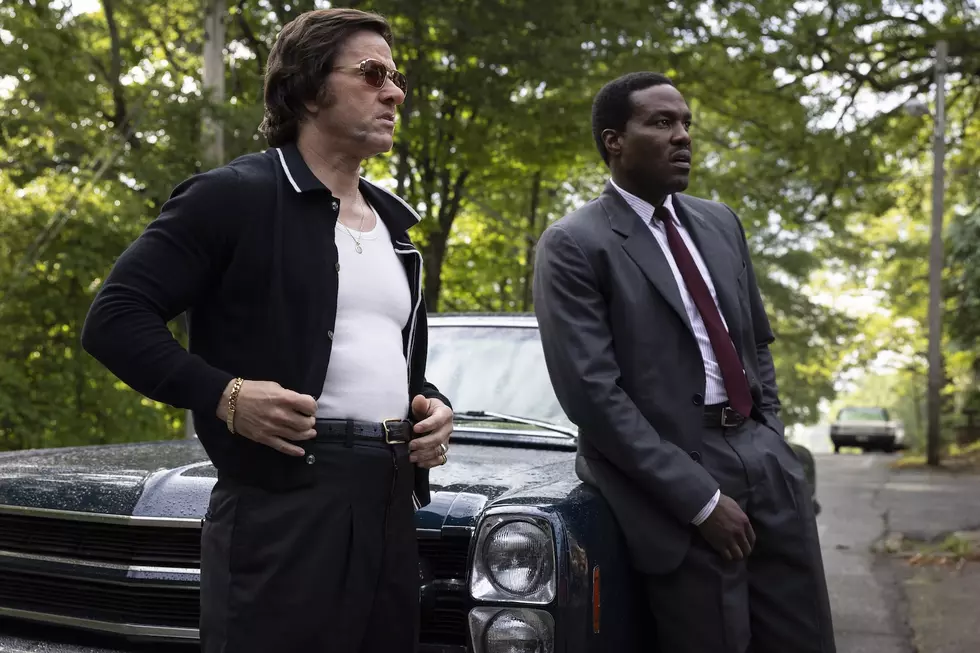
The answers to those questions might hit harder if we had a better sense of Strider as a person, or if Abdul-Mateen and Wahlberg felt like they were appearing in the same movie. Abdul-Mateen’s solidly subdued work belongs to a bleak character study; Wahlberg’s over-the-top schtick looks like something out of a Sopranos knockoff.
By Any Means’ obligatory where-are-they-now? biopic end titles reveal plenty about what happened to Dahmer’s killers, but the only mention of Strider is a reference to an “unnamed Black FBI agent” who is believed to have assisted Scarpa in Mississippi, suggesting that very little of what’s transpired over the previous 100 minutes was based on the facts of the case.
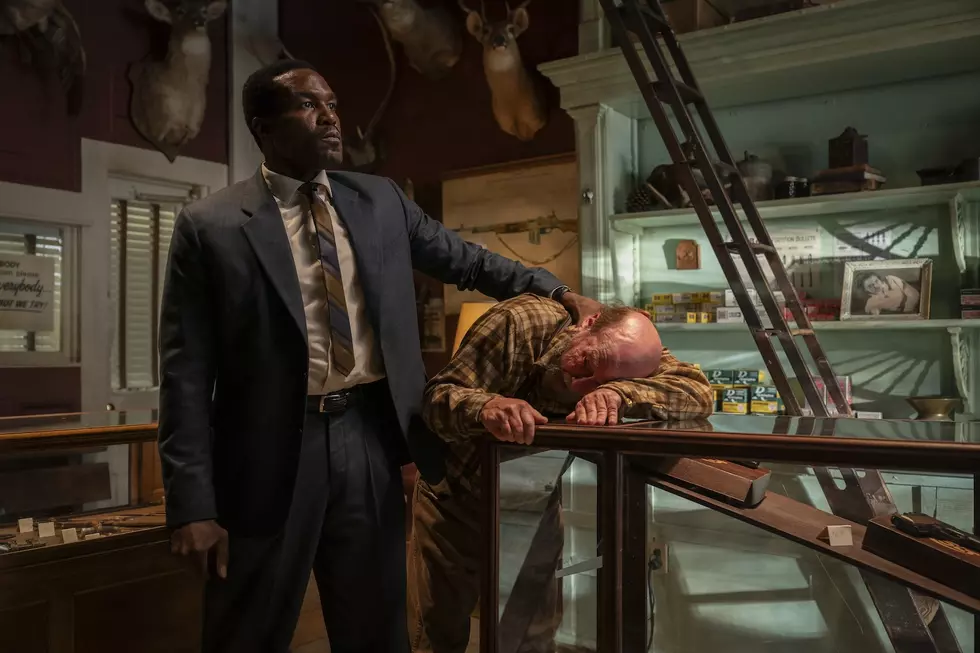
Which is not necessarily required of By Any Means; this is a fictional movie. What’s required is By Any Means turn its fury about this story into compelling drama, and that’s something it doesn’t quite achieve. The basic idea of a Mob enforcer becoming an unofficial operative for the FBI to bring down the KKK is juicy raw material for historical fiction. The true events depicted here are undeniably shocking, and By Any Means has some value as a reminder of this awful chapter in American history.
By Any Means is more of a superficial thriller, though, one with a mystery that’s almost nonexistent, and an investigation that’s dreary and repetitive. True to his word, Scarpa can do whatever he wants until he gets the information he needs, and it quickly becomes clear Strider is not going to stand in his way, so there’s not much suspense to their pursuit.
Everything builds to a finale that is frustratingly anticlimactic. After Strider makes a massive decision about the case, the film hurriedly rushes to its closing credits with zero consideration of that decision’s broader implications for him or anyone else. Elsewhere, Bratton does dig into some of the moral questions raised by Scarpa’s actions, but not enough, especially when the movie so often treats that character like a crusading hero and occasionally as comic relief, as he tells dry jokes amidst his beatings and shootings. That’s one aspect of Scarpa’s life story you won’t find in his Wikipedia page.
RATING: 5/10
The Best Summer Movies of 2026
More From ScreenCrush