‘The End of Oak Street’ Review: Welcome to … Jurassic Suburbs
Jurassic World: Fallen Kingdom ended with one hell of a cliffhanger. Dinosaurs escape from a lab and reach the human world. In the film’s final shot, a raptor stands on a cliff overlooking a dusty neighborhood, teasing a sequel with full-blown suburban dino mayhem. How could you not want to see that movie? I sure did.
Then, for whatever reason, the next Jurassic World ignored its own slam-dunk premise. Instead of dinosaurs rampaging through the human world (or doing much of anything), it had a bunch Jurassic alumni racing around the planet to stop mutant locusts. It was enough to make you pray for a second dinosaur extinction.
There’s a lot to like about The End of Oak Street, but one of its biggest selling points is it finally gives us what that Fallen Kingdom’s ending promised: Balls-to-the-wall T-rex action in suburbia. That might be selling the movie short, though. None of the actual Jurassic Park sequels dating back to the 1990s are anywhere near as good as The End of Oak Street, which is thrilling, scary, darkly hilarious, and built around a very convincing portrait of a fraying family fighting to survive a scenario that puts a whole new spin on the phrase “domestic disturbance.”
READ MORE: What’s the Worst Jurassic Park Sequel?
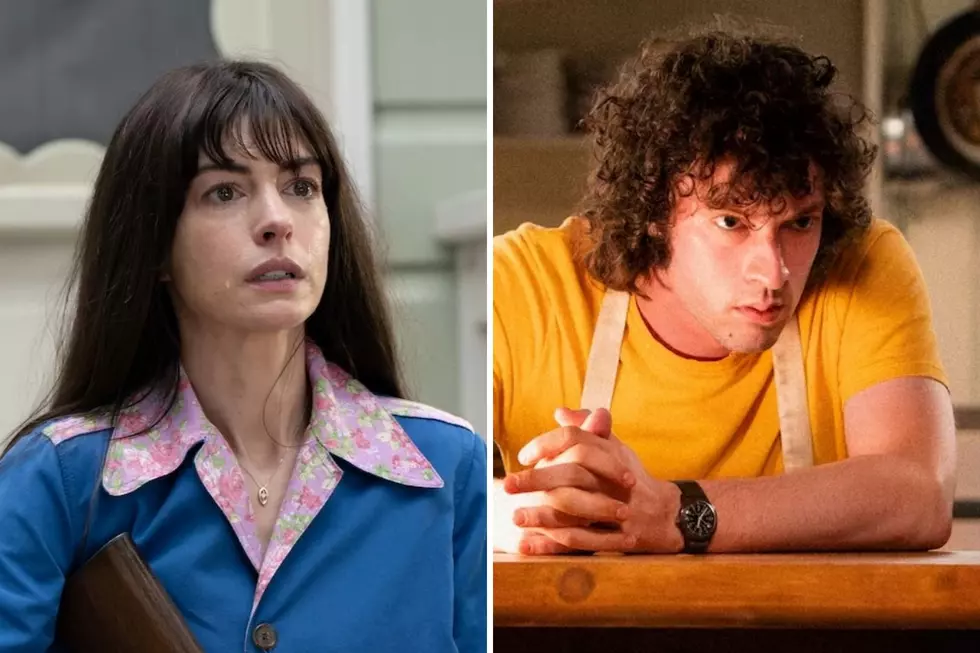
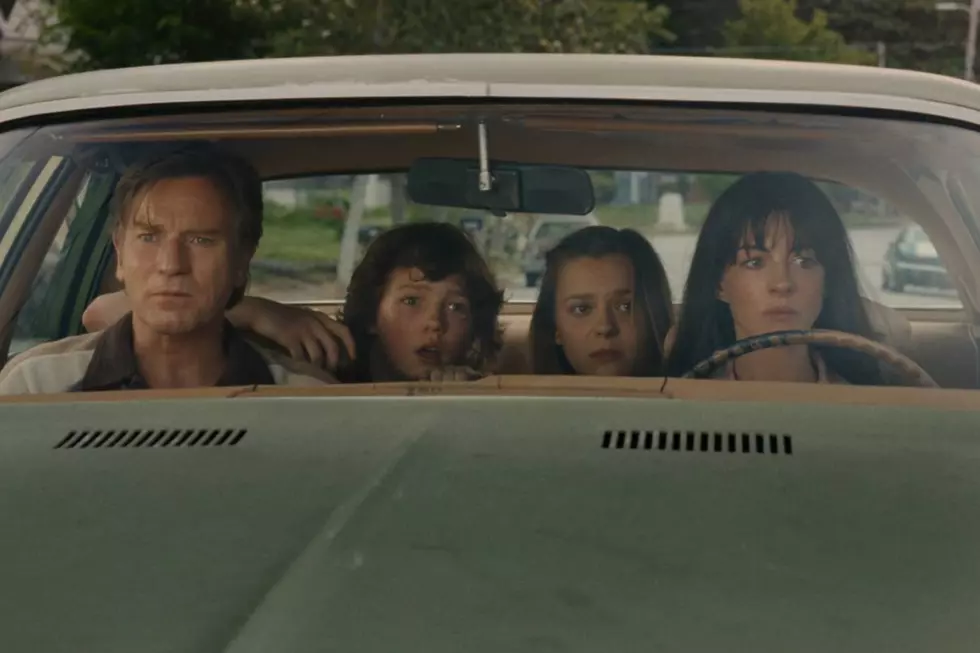
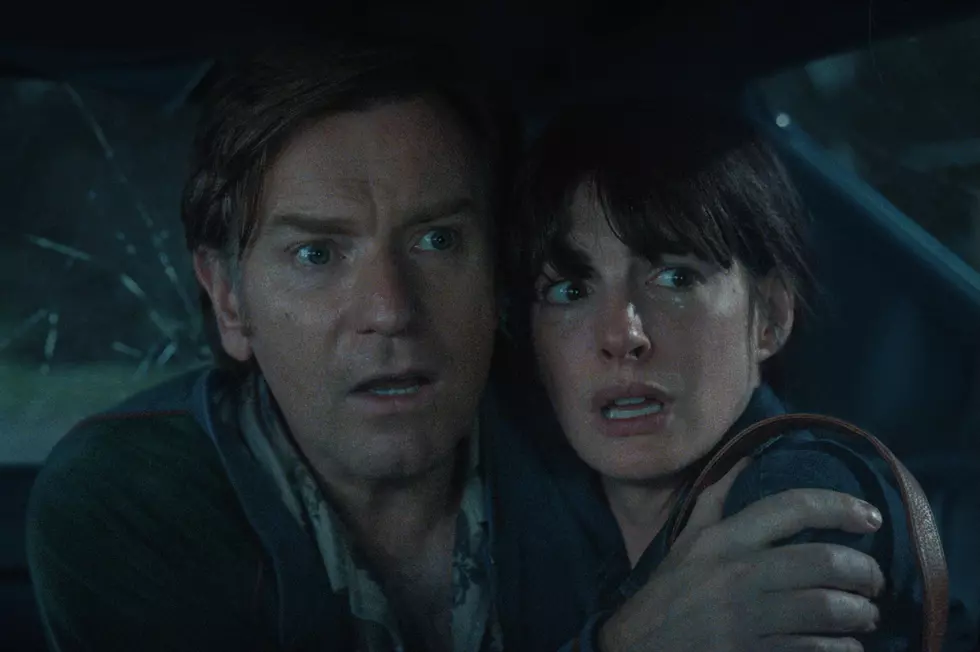
That family at its center includes upbeat but slightly hapless dad Greg (Ewan McGregor), frustrated mom Denise (Anne Hathaway), brainy daughter Audrey (Maisy Stella), and dweeby son Brian (Christian Convery). Rather rush into the chomping and fleeing, writer/director David Robert Mitchell spends a good chunk of time simply observing this family; the growing friction between Greg and Denise about their distant relationship, Brian’s crush on a new neighbor and his fear of a local bully.
Mitchell’s patient approach pays off once the family finds their entire street and all of its homes and residents inexplicably deposited into the middle of a land before time, complete with all sorts of ferocious ancient beasts. Fleshing out the characters’ backstories and relationships helps the audience invest in the family once people’s flesh starts getting torn from their bones by carnivorous creatures.
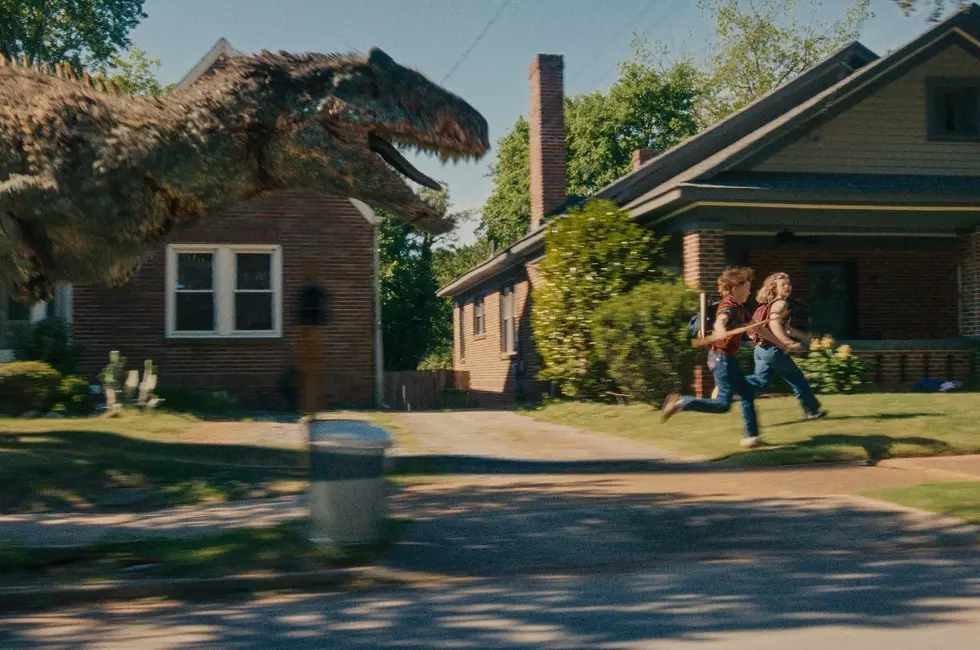
And make no mistake: Mitchell, who previously established his cred as one of the foremost purveyors of suburban horror with his 2014 film It Follows, doesn’t pull his punches when it comes to the dinosaurs. They are terrifying and vicious; this has to be one of the most intense PG-13 movies of the last few years. But he also gives the dinosaurs space to breathe as well; observing them in much the same way he considers the human characters in the first act, Mitchell finds rich moments of humor in their more mundane activities. (Just wait until you see the very large first indication that all is not what it seems on Oak Street.)
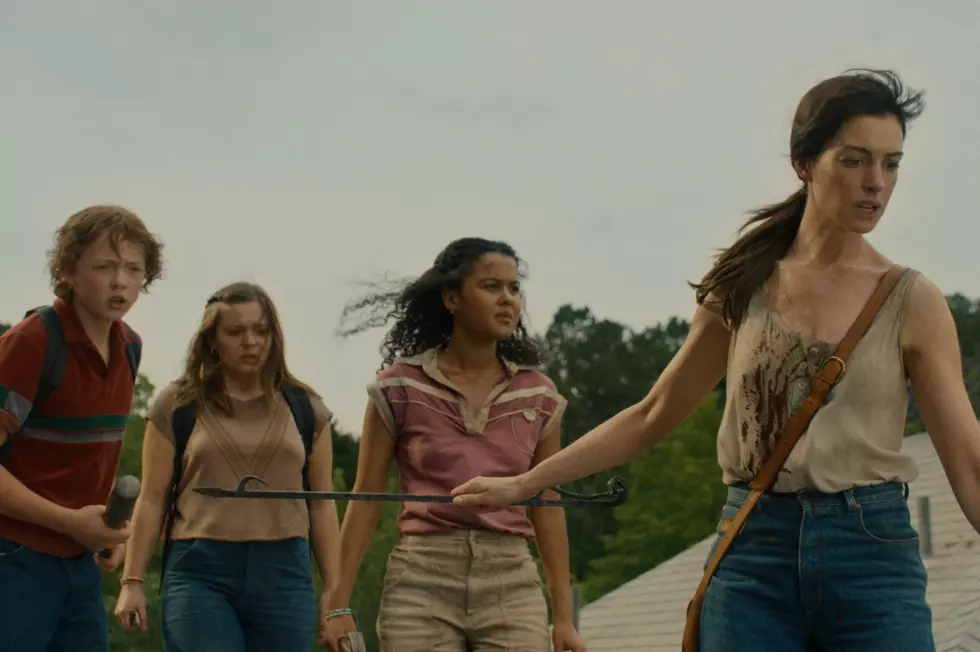
Mitchell also deploys some nifty camera moves and tricks, including a surprising number of split diopter shots, which bring objects in the extreme foreground and background into focus simultaneously. It’s an attention-grabbing technique, and could be a gimmick in some contexts. In The End of Oak Street, it perfectly suits the material. Split diopters fuse two disparate elements that would otherwise not fit together into a single shot — kind of like a world where dinosaurs roam through small-town America.
McGregor is 12 years older than Hathaway, and they never seem like the most deeply connected married couple. But that works for Mitchell’s story, in which Denise in particular is frustrated with her husband’s lack of ambition and his cheerful willingness to dash off to deliver pizzas for a little extra cash in the middle of a block party. These two may not fit together all that well. And while most of The End of Oak Street’s second half is devoted to effects-driven suspense sequences, Hathaway repeatedly finds small moments to add warmth and humanity to her role and to the film as a whole. After The Devil Wears Prada 2 and The Odyssey, it’s third very strong (and very different) role in a row.
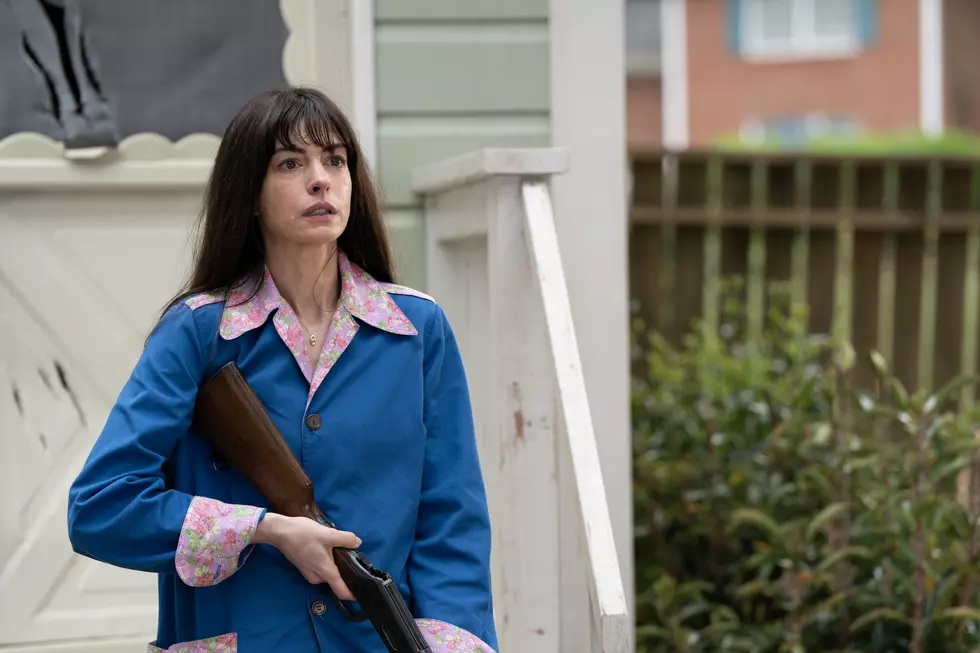
Many critics have already compared The End of Oak Street to a vintage Amblin production: The ’80s fashions, the emphasis on kids in peril, the gradual introduction of monsters into an ordinary community, shattering its veneer of safety. That’s all true. And I have to imagine Spielberg would also approve of the way Mitchell doesn’t hold back in moments of shocking violence, nor the way he refuses to allow the film’s darker elements to get in the way of a good dinosaur poop joke.
The End of Oak Street may not be Mitchell’s most original film to date; a lot of people probably could combine the vibes of Poltergeist and action of Jurassic Park into a single movie. But I’ve seen enough Jurassic World sequels to know: It ain’t as easy as it looks.
Additional Thoughts:
-I’ve never been a fan of wood paneling but The End of Oak Street makes a pretty compelling argument for it. Not only does it look nice in late afternoon light, it comes in handy when you need extra materials to board up your home’s windows and doors because your entire neighborhood has been transported back to prehistoric times.
-It’s almost a rule of a movie like The End of Oak Street that the characters will grab whatever things they have lying around and use them as weapons to defend themselves. Brian likes archery so he’s got his bow and arrow ready when he needs to go out into the neighborhood and fend off dinosaurs. But I love that Brian is a terrible shot and is generally useless as an action hero. More ineffectual dorks screwing things up and not behaving like implausible badasses in action movies please!
-Mitchell’s dedication in the end credits, and how it relates to the events depicted in the film’s final act, nearly moved me to tears. I wound up admiring the movie even more once I realized what he had been up to the whole time.
RATING: 8/10
10 Iconic Movie Lines That Were Total Accidents
Gallery Credit: Emma Stefansky
More From ScreenCrush